

I started paying attention to expanding reels because Chicken Road renders the mechanic impossible to ignore https://chickenroad-demo.co.uk/. On the surface it represents a light-hearted road-crossing game, but the way the play area grows changes how you read every spin. Extra rows or reels do never just look busier; they alter the number of active positions, the ways to win and the pace of the round. For UK players who seek more than a static grid, that is significant. In this article I describe how Chicken Road uses expanding reels, what the game’s RTP and volatility mean in practice, how the paytable and bonus features combine, and what to verify before you stake real money.
Chicken Road features expanding reels as a core part of the round instead of being a one-time novelty. The game begins on a defined grid, and during play extra rows or reel positions can unlock. In theme terms, the chicken is trying to cross more lanes, so the growing play area matches the story. From a gameplay perspective, each expansion adds active positions that can form part of a winning combination. This is why the paytable and the game rules panel are recommended to check before you spin: they show the starting grid, the maximum grid and the conditions that cause expansion.
The practical effect is that Chicken Road can feel tighter at the start and more open as the round develops. A small base grid ensures the early hit rate manageable, while expansion can create more ways to win and additional opportunities for symbols to line up. I find this creates a effective rhythm: you are not just looking for a single symbol, you are observing for the moment the road expands. The trade-off is that expansion often brings higher variance, because the bigger grid can produce stronger combinations but may not appear on every spin.
Before I play, I review three things on the game information screen: the starting reel layout, the maximum expansion and whether the expansion is triggered by a symbol, a random event or a bonus round. Those particulars show me whether Chicken Road is a game I choose to play at my selected bet. I also observe a few spins in demo mode to see how regularly the grid grows. If the expansion triggers too seldom for my liking, I adjust my stake or switch to a title where the mechanic appears more abundant. I also note whether the expansion resets after each spin or continues, because that alters the session rhythm entirely. This pre-play check spares me from frustration later.
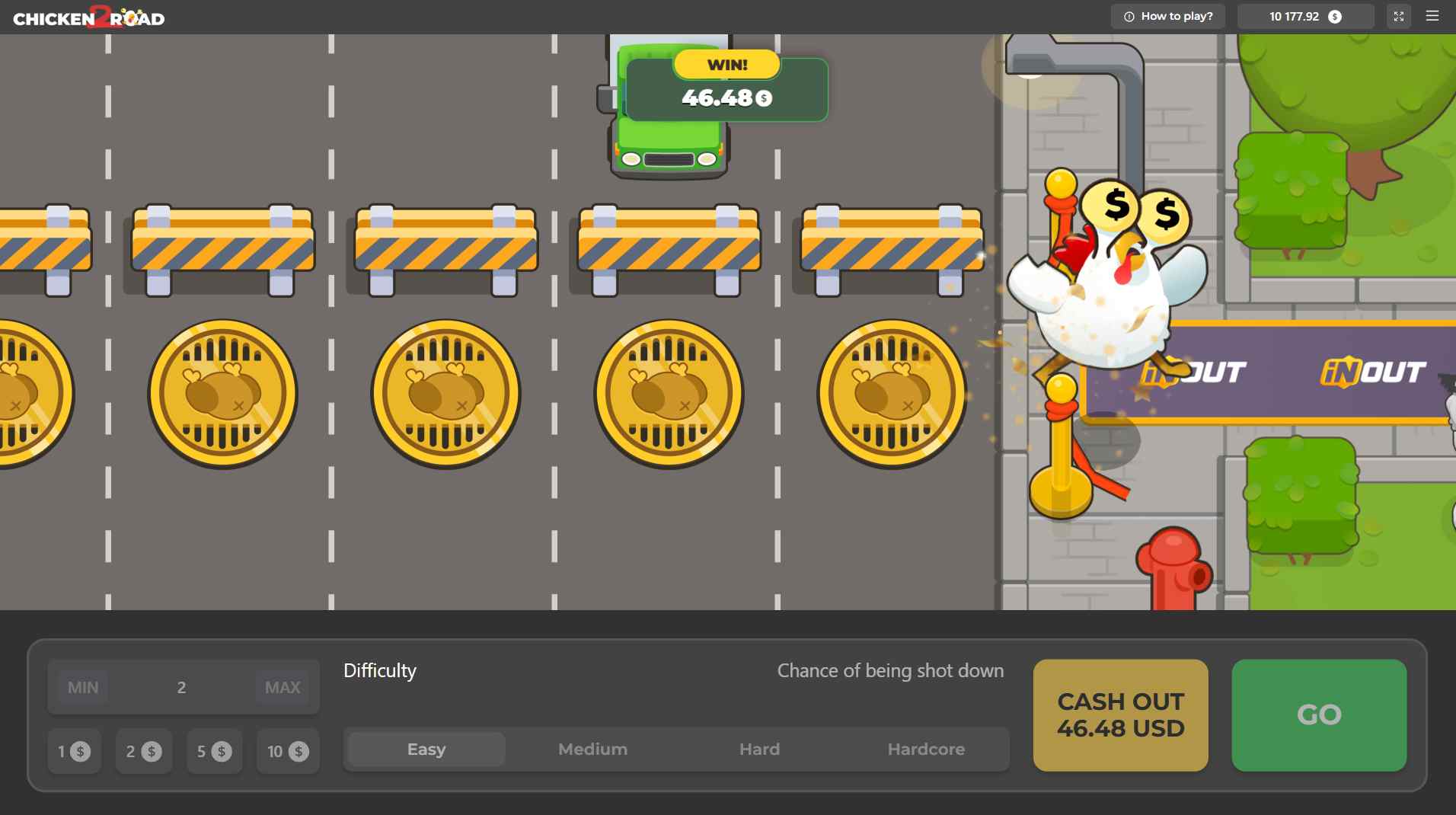
The sight and sound cues when the reels expand is something I always pay attention to. In Chicken Road, the screen widens with a satisfying animation that makes the extra positions feel justified rather than random. The sound design shifts slightly, adding a delicate layer of tension that signals me the stakes have just increased. This feedback loop is crucial because it turns a mechanical change into an emotional moment. When I detect that cue, I know the next spin could deliver a much larger combination, and that maintains me locked in far longer than a static grid ever could.
I also appreciate how the expanding reels in Chicken Road affect my bet sizing decisions. Because the base game can seem tight, I tend to initiate with smaller stakes and then increase them once I see the grid begin to open up. This is not a certain strategy, but it aids me manage my bankroll while still chasing the bigger potential that the expanded layout presents. The game’s design naturally encourages this kind of adaptive play, which makes each session feel more dynamic and less like a repetitive grind. I have found that understanding the expansion triggers lets me time my bets with more confidence, even though the outcome is always random.
One of the first things I do when testing an expanding reels slot is study how the paytable responds to the larger grid. In Chicken Road, the symbol values are unchanged, but the increased number of active paylines or ways to win results in combinations can occur more frequently and with more symbols. This effectively multiplies the value of each symbol cluster, especially when higher-paying icons land across the extra rows. I consistently verify the game rules to find out the paytable increases proportionally or if there are special multipliers that kick in only when the grid is entirely enlarged.
The presence of expanding reels also influences how I regard low-value symbols. On a compact grid, those small wins barely register, but once the play area expands, a cluster of low-tier symbols can unexpectedly turn into a decent payout. This altered viewpoint maintains my engagement in every symbol that lands, because I know that the context of the grid size can transform a mediocre spin into a pleasing one. Chicken Road does a good job of making even the lower-paying icons appear valuable when the road expands, and that is a understated but potent design choice.
I also focus on any special symbols that respond to the expanded reels. In Chicken Road, certain bonus-triggering icons might become available only when the grid reaches a specific size. This creates a layered goal system: first I want the expansion, then I want the special symbol to hit the newly available positions. This two-step anticipation is much more compelling than a standard slot where every spin appears uniform. I have found that planning these interactions before I play with real money gives me a clearer picture of the game’s potential and aids me in determining an appropriate stake level.
When I assess a slot with expanding reels, I always consider how the mechanic works with the game’s return to player percentage and its volatility profile. Chicken Road publishes its RTP clearly, and I recognize that the theoretical return is calculated over millions of spins that include both base game and expanded states. This implies the RTP figure already incorporates the extra ways to win that appear when the grid grows. However, the distribution of those returns can be very uneven, which is where volatility plays a role. Expanding reels often drive a game towards higher variance because the big wins cluster in the expanded phases.
In practice, this means I need to be prepared for longer dry spells on the base grid, followed by bursts of activity when the reels expand. Chicken Road’s volatility feels medium-to-high to me, and I adjust my bankroll accordingly. I never begin expecting a steady stream of small wins; instead, I budget for a session where the excitement comes in waves. Understanding this relationship between expansion and volatility aids me avoid frustration when the base game feels quiet. I am aware that the game is building towards those moments when the road opens up and the potential payouts amplify.
I also compare Chicken Road’s RTP and volatility with other expanding reels slots I have played. Some titles employ the mechanic to boost the base game hit rate, while others reserve it for bonus rounds only. Chicken Road falls somewhere between, with expansion possible in the main game but more dramatic during features. This balance guarantees I get a taste of the mechanic regularly without it becoming predictable. For me, that sweet spot is what keeps the game worth returning to, because it preserves the volatility manageable while still offering the thrill of a suddenly enlarged grid.
Chicken Road does not depend solely on random base game expansions; it also integrates the mechanic into its bonus features in clever ways. The free spins round, for example, can start with an already enlarged grid or provide additional expansions as the bonus advances. This means the bonus round often resembles a amplified version of the base experience, with more ways to win from the very beginning free spin. I always read the bonus conditions attentively to determine whether the expanded state remains throughout the feature or resets between spins, because that aspect greatly influences the round’s potential.
Another feature I search for is a specific expansion symbol or a collect mechanic that builds towards a promised grid increase. In Chicken Road, triggering certain scatter groups can activate an instant expansion, which adds a layer of short-term goal-setting to every spin. I consider this much more engaging than a simple scatter-pays bonus because I can observe the development towards the subsequent grid growth building on the interface. This on-screen progress cycle renders the base game feel purposeful, and it is a key reason I regard Chicken Road among the best among reel expansion slots.
I also value when a title presents a betting or risk feature that lets me try to prolong an extended condition. While Chicken Road does not have a classic gamble ladder, the method the bonus round can reactivate extra expansions achieves a like objective. It gives me a reason to keep playing even after a substantial win, because the prospect of reaching the grid’s maximum dimensions is always dangling in front of me. This sort of mechanic design transforms a individual bonus start into a several-stage occurrence, and that is precisely the level of complexity I desire from a today’s slot machine.
Expanding reels leverage a core player desire for advancement. When a slot grid expands mid-session, it creates a tangible sense of development that static reels just cannot equal. You are not just revolving and wishing; you are actively working towards a visible objective, watching the play area transform. This mechanic turns a passive experience into something that feels more interactive, and I have found that my own session times increase when a game uses expanding reels skillfully. The expectation of the next expansion keeps me spinning, and the payoffs feel more justified because I have seen the grid develop step by step.
Another reason expanding reels hold attention is that they present a layered decision-making process. In Chicken Road, I am constantly evaluating whether to increase my stake before an expected expansion or to play carefully until the grid restarts. This brings a strategic level that goes further than simply clicking spin. Even though the conclusion is governed by a random number generator, the perception of control is powerful, and that is exactly what keeps me engaged. I discover myself considering about the optimal time to try my fortune, which turns a simple slot game into a more captivating mental exercise.
The emotional flow of an expanding reels game also plays a huge influence. The early spins on a compact layout feel like a prelude, and when the first expansion arrives, there is a real excitement. That instance of growth refreshes my hopes and makes me feel like the game is returning my patience. In Chicken Road, the thematic tie to the chicken crossing the road enhances this feeling, because the expansion feels like a story moment rather than a random happening. This narrative aspect is something I actively pursue in modern slots, and it is a big reason why I keep coming back to titles that use expanding reels intelligently.
Playing slots with expanding reels demands a somewhat unique approach to bankroll management, and I have found out this through plenty of trial and error. Because the base game on a compact grid can deliver fewer wins, I always set a session budget that compensates for longer losing streaks. I never chase the expansion; instead, I consider it as a bonus that will appear eventually. In Chicken Road, I typically divide my bankroll into smaller bet units so I can endure the quieter periods and still have enough funds to capitalise when the grid finally opens up.
I also use the game’s demo mode to try out how regularly the expansion kicks in at different bet levels. While the random number generator does not alter based on wager, the psychological impact of seeing my balance drop while waiting for an expansion is real. By practising with play money, I develop a grasp for the rhythm of the game and can set realistic expectations before I commit real cash. This preparation helps me prevent the frustration that can cause impulsive bet increases, which is a common trap with high-variance expanding reels titles.
Another tactic I employ is to establish a win goal that is tied to the expanded state. When the grid grows and I land a decent combination, I often save a portion of that win and continue playing with the remainder. This secures profit while still giving me a chance to gain from further expansions. In Chicken Road, the expanded grid can produce multiple winning spins in a row, so I do not want to quit too early, but I also know that the grid will eventually reset. Managing these two impulses is key to leaving satisfied, and it is a skill that has enhanced my overall slot experience significantly.
Expanding reels represent a mechanic where the amount of rows or reels on the grid increases during gameplay, creating more active positions and ways to win. This can occur randomly, through symbol triggers or within bonus rounds. The expansion alters the maths of each spin, often increasing volatility and potential payouts. In Chicken Road, the grid expands as the chicken crosses more lanes, tying the mechanic to the theme.
No, the ways to win in Chicken Road are dynamic because the grid size shifts. The game commences with a specific number of active paylines or ways, and that number grows when extra rows or reels unlock. You can check the current total in the game info panel at any time. This variability is what makes expanding reels slots so captivating, as each expansion opens up new combination possibilities.
The published RTP already accounts for all game states, including expanded grids. The mechanic does not change the theoretical return, but it does affect how that return is distributed. Expanding reels often concentrate larger payouts in the expanded phases, which can make the base game feel tighter. Always review the game rules to comprehend how the RTP is calculated across different modes.
Bet size does not impact the frequency of expansion triggers in Chicken Road, as they are decided by a random number generator. A higher bet does not lead to more frequent grid expansions. Nevertheless, a bigger stake ensures that wins during an expanded state are proportionally larger. My approach is to select a bet level aligned with my bankroll rather than trying to trigger expansions.
For the most part, yes. Volatility tends to be higher because major wins are hidden behind the expanded state, which doesn’t occur on every spin. This creates a feast-or-famine pattern that can be thrilling but requires careful bankroll management. Chicken Road falls in the medium-to-high volatility category, so I always brace for extended dry periods between expansions.
In Chicken Road, the expanded grid typically resets after each spin unless a specific feature or bonus round keeps it active. Consequently, you are perpetually aiming to trigger the next expansion, introducing a level of immediate goal-setting. I recommend checking the game rules to see if any symbols or modifiers can lock the expanded state for multiple spins.
Though slots are games of chance, I use a few effective approaches. I start with lower bets to assess the spread frequency, then raise my stake somewhat if the grid looks to be expanding frequently. I also set a loss limit and a win goal connected to expanded payouts. Most importantly, I test in demo mode first to understand the rhythm before betting real money.