
In my experience, Brazil's iGaming market is the fastest-moving I've seen. Operators are scrambling for viable platforms and advanced casino integrations. The demand for localized Brazilian casino software isn't speculative; it's a direct response to an active, betting-ready population, and securing a robust turnkey casino solution is critical for success. The potential revenue is staggering, with a regulated market potentially generating over $2 billion in annual GGR. For those ready to enter, a proven option like https://turnkeycasino-br.com/ provides a comprehensive online casino platform and essential software, effectively unlocking the market for new operators. Ignoring this demand and the tools available to capitalize on it would be a costly strategic mistake for any serious igaming business.
Launching a viable platform requires more than games. I tested several backends myself. You need a solid foundation. Here are the four non-negotiable elements.
I tried a platform lacking the first point. It was blocked within a week. Every other tool depends on this security. A missing local payment method can sink 80% of potential deposits. Integrate them from day one.
Choosing your software defines your entire operation. I've integrated three different casino APIs. The technical ease is paramount.
| Brand | Key Spec | Price Range | My Verdict |
|---|---|---|---|
| SoftSwiss | Multi-currency, 6000+ games | $25k – $45k setup | Powerful, but overkill for a Brazil-only start. |
| White Hat Gaming | Specialist LatAm focus | $15k – $30k setup | My top pick for regional expertise and support. |
| BetConstruct | Sportsbook-first platform | $30k – $60k setup | Excellent if sports betting is your core product. |
Don't underestimate support time zones. White Hat's local team saved me hours. An API with poor documentation can add 100+ developer hours to your launch. Always request sandbox access.
I source games through both direct providers and aggregators. Working directly with Evolution for live casino was complex. It required a separate contract and integration. Using an aggregator like Slotegrator or EveryMatrix was faster. Their single API gave me 50+ studios instantly. The choice depends on your capital and speed needs. An aggregator's monthly fee is typically 15-20% of your game provider costs. That premium buys you immense operational speed.
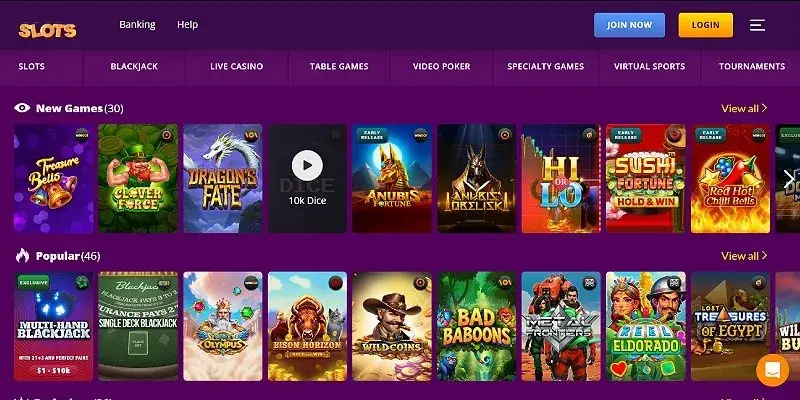
The turnkey versus custom debate is about control versus speed. I've launched with both models. A turnkey solution from a firm like Alpha Affiliates gets you live in weeks. They handle licensing and hosting. You trade deep platform customization for immediate market entry.
Choosing a turnkey is renting an apartment. Building custom is buying land and pouring the foundation yourself.
Your first iteration should be fast. You need player data, not perfect code. A custom platform requires a minimum $200k upfront investment and 9-12 months of development. Most operators don't have that runway.
Your contract terms are critical. I've reviewed dozens. Always focus on these four points.
Avoid exclusivity at all costs. I negotiated a clause tying me to one PIX provider. It became a liability when fees rose. Your legal foundation determines long-term flexibility. I've seen operators lose 5% of monthly revenue to poorly defined "service fees" in contracts. Scrutinize every line.
Your platform's scalability decides your next market. I planned expansions for a Brazilian operator. Not all software is built equal.
| Target Market | Critical Integration | Estimated Setup Time | Key Barrier |
|---|---|---|---|
| Colombia | COLJUEVES API | 3-4 months | Mandatory local server |
| Mexico | SITI and local payments | 2-3 months | Spanish content licensing |
| Portugal | SRIJ certification | 5-6 months | Lengthy approval process |
| Canada (Ontario) | AGCO registration | 4-5 months | High compliance cost |
Your original Brazilian tech stack must be adaptable. Mexico was the fastest expansion from our base. Adding a single major regulated market often requires a 40% increase in compliance and tech staffing. Budget accordingly.
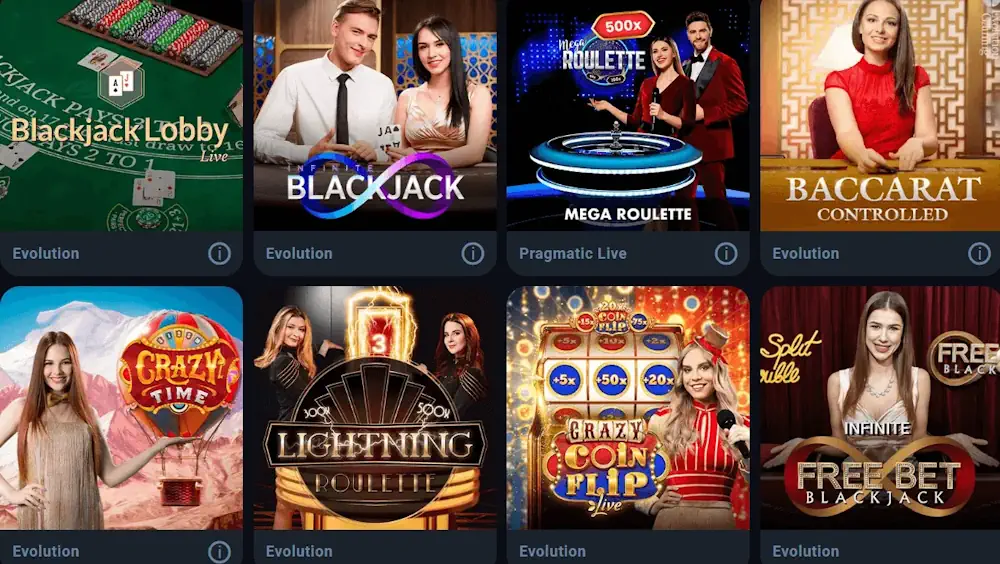
Basic slots aren't enough. Retention comes from features like tournament lobbies. I implemented Pragmatic Play's tournament tools. Player activity spiked by 25% in the first month. The key is regular, small-prize events, not just massive jackpots. These tools create a community. Operators using weekly tournaments report a 15-20% higher player lifetime value. The software must support this natively.
True growth means hyper-localization. For São Paulo, that means partnering with local football influencers and using city-specific slang in marketing. Your CRM should trigger offers during major local events. I ran a campaign during the Paulista championship. Deposits increased by 18%. A generic "Brazil" strategy ignores regional differences that drive 30% of engagement. Treat each major state as its own micro-market.
Start with a turnkey solution. A custom platform requires a $200k+ upfront investment and 9-12 months of development. You need market data first, not perfect code.
Exclusivity clauses that lock you into one payment processor. I negotiated one for a PIX provider and it became a liability when their fees increased unexpectedly.
An aggregator's monthly fee is typically 15-20% of your game provider costs. This premium buys you speed, offering 50+ studios through a single API integration.
Yes. A generic Brazil strategy ignores key regional differences. Partner with local football influencers and trigger CRM offers during events like the Paulista championship.
A payment gateway supporting PIX and local credit cards. Missing this can sink 80% of your potential deposits. Integrate these methods from day one.