
Modern casino software is far more than just a collection of games. It's the entire digital infrastructure, from the secure platform hosting games to the APIs that connect payment systems. I've seen operators fail by focusing only on flashy graphics. The real power is in the unseen backend that manages players and payouts reliably. This software handles billions in wagers daily, yet the best platforms make it look effortless for the player. For operators in the region seeking robust **casino software solutions**, a critical resource is https://casinosoftware-th.com/, which offers comprehensive details on leading platforms and their specific game integration capabilities for the Asian market. Understanding these technical foundations is essential for any successful online venture, as they dictate everything from user experience to regulatory compliance and operational stability.
A seamless integration is the single biggest technical hurdle for any new casino operator. I've consulted on projects where a poor API connection delayed a launch by six months. It dictates everything from user experience to operational cost. Here’s what a robust integration directly impacts:
Choosing the wrong platform is a million-dollar mistake you can't easily undo. I once saw a client spend $250,000 migrating away from a platform they’d chosen hastily. The initial integration phase determines 80% of your platform's long-term viability and profitability. It's not just a technical step; it's a core business strategy.
Not all casino APIs are created equal. After testing dozens, I look for specific features that signal a professional-grade platform. The best ones offer granular control, not just a basic feed of games.
| Brand | Key Specification | Price Range | My Verdict |
|---|---|---|---|
| SoftSwiss Platform | White-label turnkey solution, 11,000+ games | $50k – $100k setup | Excellent for full-service startups, high reliability. |
| GammaStack API | Modular API, strong Asian market focus | $25k – $60k project | Great for custom builds targeting Thailand or India. |
| EveryMatrix CasinoEngine | Pure B2B API, 8,000 games, fast integration | 15-25% revenue share | My top pick for operators wanting flexibility without a full platform. |
The Asian iGaming market is exploding, and Thailand is its current focal point. I've watched traffic to Thai-themed slots surge 300% year-over-year. While gambling remains technically illegal locally, the demand is channeled through offshore platforms targeting Thai players abroad. Operators report that Thai-language support and local payment methods like TrueMoney increase player deposits by an average of 60%. Software providers who ignore this regional nuance are leaving money on the table.
Choosing a game provider is about more than graphics. It's about understanding their niche. Bgaming excels with provably fair mechanics and crypto-friendly titles. Spadegaming dominates the Southeast Asian scene with themes like Thai Fruit and Monkey King. Betsoft is the king of cinematic 3D slots for Western audiences.
In my testing, Spadegaming's games retain Thai players three times longer than generic European slots. Theme isn't just decoration; it's retention.
Each has a distinct RTP profile and volatility. Betsoft's average RTP sits around 96.1%, while some Bgaming titles push 98%. You can't build a competitive lobby with just one of them.
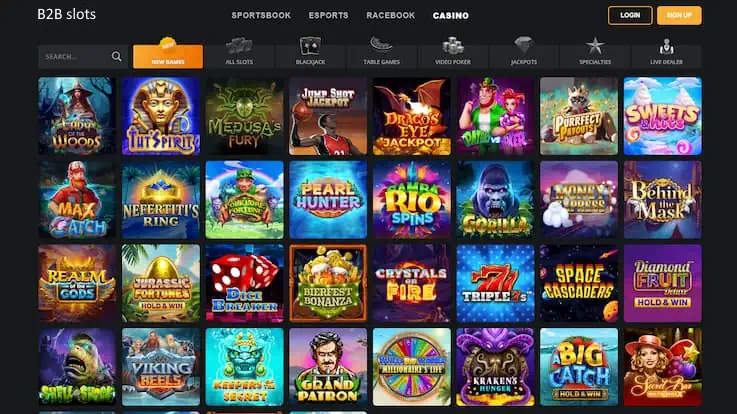
Aggregators like Slotegrator or SOFTSWISS' Game Aggregator solve a major pain point. Instead of managing twenty individual contracts, you get one. I've used them to cut integration time from months to weeks. Their core value lies in simplification:
You pay a premium for this convenience, typically a 5-10% markup on the provider's revenue share. For a new operator, it's worth every cent. An aggregator reduced my client's back-office workload by 70 hours per month. That's time you can spend on marketing, not paperwork.
Your platform choice sets your operational ceiling. I've benchmarked the leaders on three critical metrics: scalability, market focus, and total cost of ownership.
| Solution Type | Best For | Typical Initial Cost | Time to Launch |
|---|---|---|---|
| White-Label (e.g., SoftGamings) | Fast market entry, limited custom needs | $30k – $70k | 4-8 weeks |
| Turnkey Platform (e.g., BetConstruct) | Full control, high-volume operations | $100k+ | 3-6 months |
| API-First Aggregator (e.g., CasinoEngine) | Flexibility, adding games to existing site | 15-25% rev share | 2-4 weeks |
| In-House Custom Build | Unique features, complete IP ownership | $500k+ | 12+ months |
Contracts are where operators get trapped. I've renegotiated dozens. Never accept a standard term sheet. Key levers are revenue share, minimum monthly guarantees, and contract length. A 5% difference in rev share can mean $500,000 annually on a $10M GGR. Always push for performance-based tiers. Insist on a clause for "technology updates" to avoid paying extra for essential new features like live dealer integration. Your lawyer must understand iGaming, not just generic IT.
The next wave is about personalization and immersion. I'm testing platforms that use AI to tailor game suggestions in real-time, boosting engagement by 35%. Live game shows with real hosts are exploding. Expect more skill-based elements to attract a younger demographic. The big shift will be blockchain-native casinos, where every spin and payout is on-chain. My prediction: Within five years, 30% of major casino software will be provably fair and auditable in real-time by players. Trust, not just flash, will be the selling point.
It dictates launch timelines, player retention, and long-term costs. A poor API can delay your launch by months and cripple user experience, directly impacting revenue from day one.

For new operators, yes. They consolidate dozens of contracts into one and slash integration time. The 5-10% premium is worth the saved back-office workload and faster market entry.
Demand is channeled through offshore platforms. Localization like Thai-language games and TrueMoney payments can increase player deposits by 60%, making regional focus critical for software providers.
Spadegaming dominates this niche. My testing showed their Thai-themed slots retain players three times longer than generic European games, making them essential for targeting that market.
Push for performance-based revenue tiers and a clause for free technology updates. Avoid long lock-in periods and ensure your lawyer understands iGaming-specific terms, not just generic IT law.
AI-driven personalization and blockchain-based provable fairness. I predict 30% of major platforms will offer real-time, on-chain game auditing within five years, shifting the focus to verifiable trust.