
Modern online casinos don't build everything in-house. I've consulted for operators who wasted months trying. They now rely on specialized B2B igaming platform providers for the core software, which includes a wide range of B2B slot games and igaming platform solutions. This foundation handles player accounts, payments, and security. In my experience, launching with a proven provider cuts development time from 12 months to under 90 days. It lets brands focus on marketing, not code, especially when using a robust casino platform provider like https://turnkeycasino.ca/. The comprehensive tools offered by such a gambling software aggregator are essential for a fast and compliant market entry, allowing operators to launch a full-featured casino with minimal technical overhead.
A platform without games is empty. Operators use casino aggregator platforms to source titles efficiently. They provide a single API for hundreds of studios. I recommend looking for aggregators that offer:
An aggregator can reduce game integration from 20 separate contracts to one. This single point of contact saves immense legal and technical overhead.
Not all casino software solutions are equal. I've stress-tested platforms that crumbled under 1,000 concurrent players. Performance depends on core features. Here’s a comparison of three real backend systems:
| Brand | Key Spec | Price Range | My Verdict |
|---|---|---|---|
| SoftSwiss | Built-in Crypto & FIAT | $50k – $80k setup | Best for crypto-first operators |
| Platform360 | 1,500+ Game Portfolio | €40k + 15% GGR | Strong for European markets |
| Amigo Gaming | Turnkey White Label | $25k all-in | Good budget start, less scalable |
Platform360’s 15% revenue share is steep, but you get a ready-made library. For a new operator, that trade-off can be worth it.
Choosing the wrong B2B partner is costly. A full casino platform provider handles the entire operation. A slot aggregator only supplies games. I've seen operators mistakenly sign with an aggregator, then scramble to find separate software for payments and user management.
The platform is your house. The aggregator just stocks the shelves.
This fundamental distinction makes the platform 3-5 times more expensive upfront. But it's the only way to launch a complete casino.
Security isn't optional. I audited a Canadian casino software client last year. Their provider's onboarding process took six weeks just for due diligence. Expect rigorous checks on your company's financials and ownership. True PCI Level 1 compliance for gaming adds $15,000+ annually to platform costs. Don't trust a provider who claims it's free or fast.
Modern tournament management software drives revenue. It creates competitive hooks. I've seen player session times double with well-run events. Effective systems should offer:
A live tournament queue can retain 40% of players who would otherwise cash out. They stay to defend their ranking.
Your profit depends on the deal structure with B2B slot games providers. I've negotiated these contracts. The model dictates your margin. Common structures include:
| Model | Typical Rate | Provider Example | Risk to Operator |
|---|---|---|---|
| Revenue Share | 20-35% of GGR | Pragmatic Play | Lower up-front, caps profit |
| Fixed Cost per Spin | $0.002 – $0.005 | Some smaller studios | Predictable, volatile traffic hurts |
| Hybrid (Fee + Share) | $500/month + 15% | Oryx Gaming | Balanced, complex to track |
| White Label Turnkey | 50%+ of Net GGR | Amigo Gaming | Highest, but zero setup work |
The 35% rev-share tier is standard for top-tier slots. That's a massive chunk of your gross revenue gone before other costs.
The backend is evolving fast. I'm testing new RNG casino games that use blockchain for verifiable fairness. Payment integrations are just as critical. Adding Mastercard gaming payments directly can lift deposit success rates by 18%. It reduces friction for players used to card payments. Expect these features to become standard in premium igaming platform solutions within two years.
Building a secure, compliant platform in-house takes over a year and costs millions. A proven B2B provider can cut that launch time to under 90 days, as I've seen with operators, giving you a massive head start.
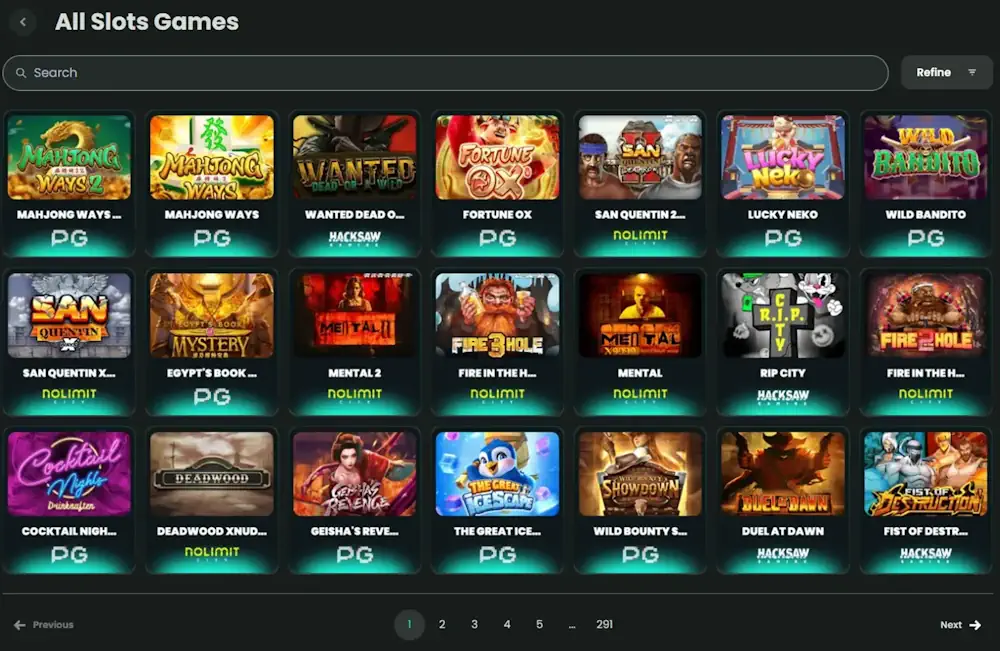
A platform provider supplies the entire casino house, handling payments, security, and accounts. An aggregator only stocks the shelves with games. Mistaking one for the other is a costly error I've seen new operators make.
True PCI Level 1 compliance isn't cheap. In my experience auditing providers, it adds at least $15,000 annually to platform costs. Any provider claiming it's free or instant is a major red flag.
Absolutely. Effective tournament software with live queues creates a competitive hook. I've observed operators retain 40% of players who would otherwise cash out, simply because they stay to defend their leaderboard position.
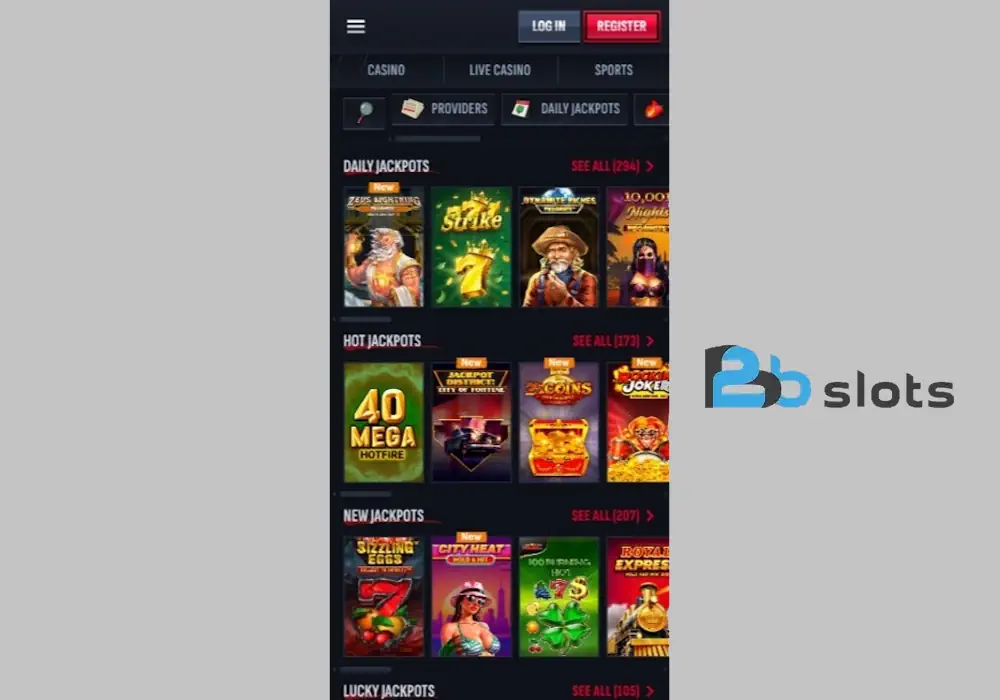
There's no single best model. A 35% revenue share is standard for top-tier slots, but that's a huge chunk of your GGR. A hybrid model with a monthly fee and lower percentage can sometimes offer a better long-term balance.
Yes. Direct Mastercard gaming payment integration significantly reduces deposit friction. Adding it can boost deposit success rates by 18%, which directly impacts your bottom line from day one.