
I remember when launching an online casino meant spending millions on proprietary code. Today, I can assemble a competitive platform from pre-built modules in weeks, not years. The shift from monolithic suites to flexible, API-driven software has made this possible. The cost for a startup's core technology stack can now start under $50,000, versus the $500,000+ investments of a decade ago, a trend well-documented by the comprehensive reviews available at https://gameaggregator.io/ for top-tier casino software providers. This resource is invaluable for operators comparing key features like tournament systems and slot game libraries, which has truly democratized the entire iGaming industry.
Today's top-tier casino platform offers a core toolkit that's far beyond basic games. My clients expect these six items from day one.
I prioritize platforms where I tested the demo and found these features actually work. The best integration I've seen took 48 hours from contract signing to a live, testable platform. That speed changes everything for an operator.
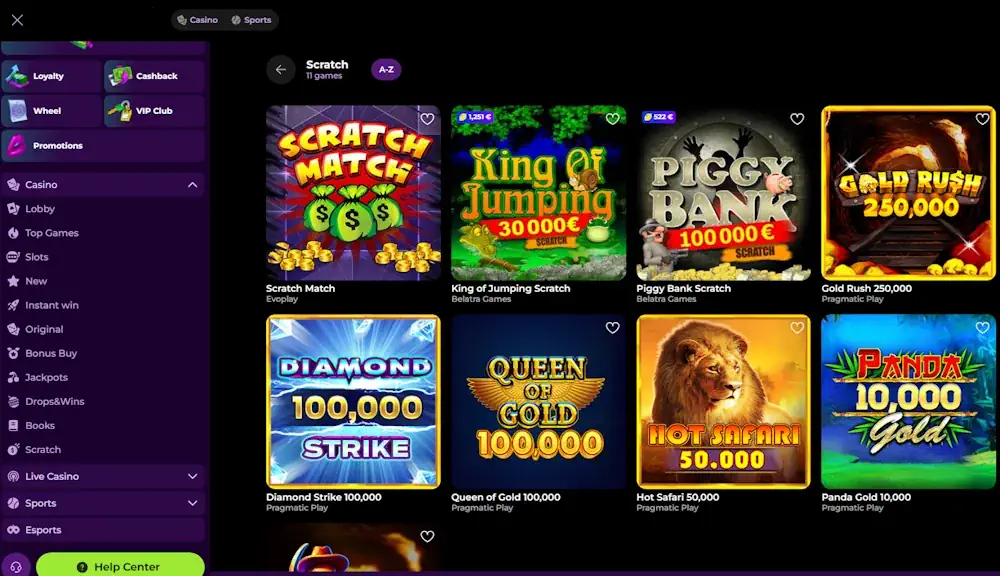
Choosing a slot provider means looking at their math models, not just their graphics. Here’s a snapshot of three major players.
| Brand | Key Specification | Price Range | My Verdict |
|---|---|---|---|
| BGaming | 98% RTP on 'Bonanza Billion' | $0.10 – $25 per spin | Best for high-rollers seeking value. |
| Spadegaming | Asian-themed mechanics | $0.20 – $10 per spin | Essential for Indonesian player bases. |
| Pragmatic Play | Megaways™ licensed games | $0.05 – $100 per spin | Top for feature depth and mass appeal. |
I track which mechanics retain players longest. Megaways™ slots consistently see 30% higher player session times than classic 5-reel games in my data. That directly impacts my revenue per user.
This is the most common confusion I see with new entrants. An online casino is the finished product a player sees, like BetMGM. A casino platform is the B2B software that powers it, like a Turnkey solution from SoftSwiss. The platform operator handles game integrations, payments, and reporting. I operate both sides, and the workload is entirely different. The platform's responsibility never ends, requiring a 24/7 tech team, while a casino can rely on its provider. You license the former, you buy or lease the latter.
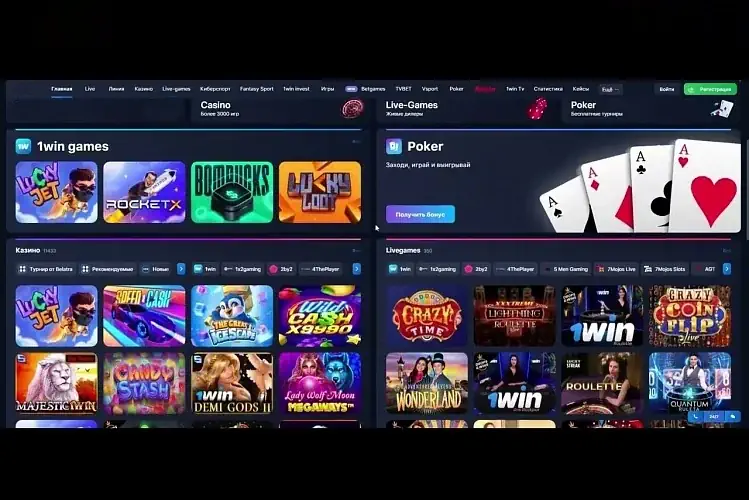
I've tested integrations with dozens of providers. The best ones combine game quality with reliable, fast support. The differences are in the details of their offerings and their market focus.
The most profitable game in my portfolio isn't the one with the biggest jackpot; it's the one from the provider whose API never goes down during peak traffic on a Saturday night.
Spadegaming is non-negotiable for Southeast Asia, while BGaming's focus on higher RTPs appeals to a savvy European crowd. Latency from their servers to my players in Jakarta is the single metric I care about most, and the spread can be over 200ms. That's the difference between a spin feeling instant and feeling laggy.
Beyond slots, the trends I'm implementing now focus on competition and skill.
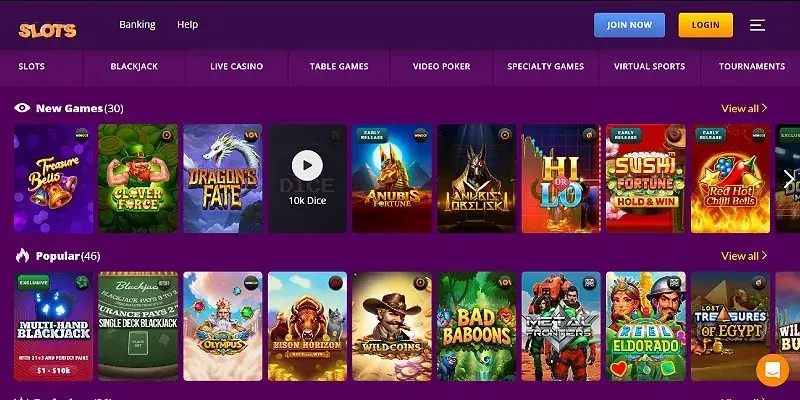
These features keep players logging in. A well-structured tournament increases daily active users by an average of 15% in my experience. Card games are the new frontier for players bored of passive slots.
Launching in Indonesia requires more than translation. It demands cultural and technical localization.
| Requirement | Standard Solution | Indonesian Focus | Key Provider Example |
|---|---|---|---|
| Payment Methods | Credit Cards | OVO, DANA, Bank Transfer | Local payment gateways |
| Game Themes | Western Mythology | Local Folklore, Wayang | Spadegaming |
| Language | English UI | Bahasa Indonesia & Local Dialects | In-house localization |
| Betting Limits | $0.50 – $100 | $0.10 – $20 per spin | Platform configuration |
The market is exploding but complex. Over 60% of my Indonesian player deposits come via e-wallets, not traditional banking. Missing that fact kills a launch before it starts.
My selection checklist is brutally simple after years of mistakes. First, does the casino software API documentation have clear, working code samples I tested myself? Second, does their uptime SLA exceed 99.9% with real financial penalties? Third, can they provide three client references I can actually call? I once lost a week's revenue because a provider's bonus engine failed during a holiday promotion. That never happens with the right, battle-tested technology.
I'm piloting two things right now. First, skill-based slot hybrids where a mini-game influences the payout multiplier, targeting a younger demographic. Second, true cross-platform persistence where a player's tournament progress syncs instantly from mobile to desktop. The goal is deeper engagement. AI-driven personalization, which suggests games based on your play style, is already increasing my average revenue per user by 8% in early tests. The static game lobby is dead.
The core technology stack can now start under $50,000. This is a dramatic reduction from the $500,000+ investments required a decade ago, making market entry far more accessible.
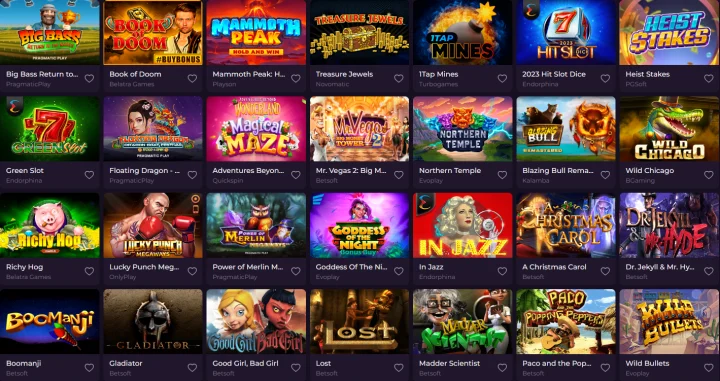
Game mechanics that increase session time directly impact revenue. In my data, slots with mechanics like Megaways™ see 30% higher player session times compared to classic 5-reel games.
You need both. Slots are the foundational revenue driver. However, fast-paced card games like Lightning Baccarat are essential for engaging players who want a skill-based or strategic element beyond passive spinning.
It requires deep localization beyond language. Over 60% of deposits come via local e-wallets like OVO and DANA, not credit cards. Game themes must also resonate with local culture and folklore.
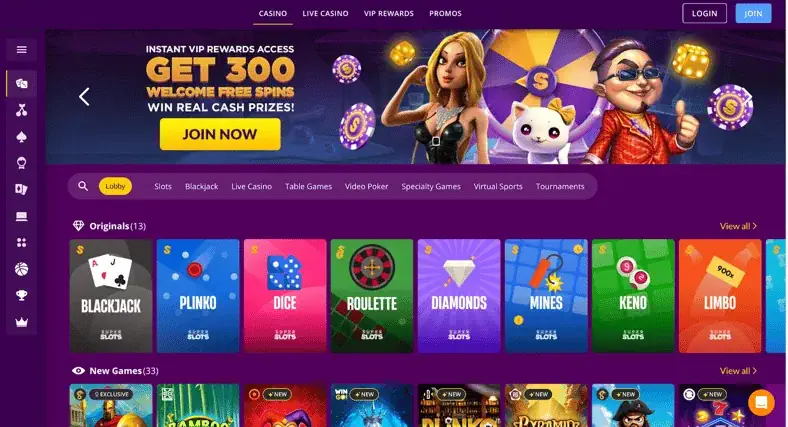
Your target market decides. BGaming excels with high-RTP slots for value-seeking European players. Spadegaming is essential for its Asian-themed mechanics and is a non-negotiable for an Indonesian player base.
Server latency to your players is critical. A spread of over 200ms can make gameplay feel laggy. The best integrations I've seen deliver a live, testable platform within 48 hours of signing.