
I see the industry as two distinct roles. B2B slot providers, like Pragmatic Play or Evolution, create the actual games and sell these slots to casino operators, the brands you gamble with. The average operator licenses hundreds of games from dozens of these providers, requiring a robust platform like https://turnkeycasino.nl/ to manage such a diverse portfolio. My own site runs titles from seven different vendors, and you truly need both sides—the content creators and the casino software vendors—for the entire ecosystem to function smoothly and profitably.
A good aggregator does more than list games. I evaluate them on their backend tools. Here's what you actually need:
Without these, you're manually stitching data from ten different systems. The best platforms reduce technical overhead by about 80%. That lets you focus on marketing, not IT tickets.
Integration is where most projects stall. You need clear specs. Here’s how top solutions compare.
| Brand | Key Spec | Price Range | My Verdict |
|---|---|---|---|
| SoftSwiss Game Aggregator | 5000+ games, one API | $15k-$30k setup | Best for large operators. |
| BetConstruct | Custom lobby build | Revenue share model | Flexible but complex. |
| SOFTSHARE.NET API | Lightweight, 1000 games | ~$5k setup | Good for startups. |
I've tested the first two directly. The integration timeline can stretch to 12 weeks for a full suite. Budget for that delay.
Don't just look at the game count. I check the commercial terms first. A 35% revenue share is standard, but some premium studios push for 40% or higher. You need to audit their average RTP settings for your market too. I rejected a popular vendor last year because their default RTP was under 94%. That kills player retention quickly.
Players notice specific features. I track which ones drive the most session time.
The most profitable slot in my lobby isn't the one with the biggest jackpot. It's the one with the most engaging bonus buy feature under €5.
Features like Ante Bet, like Pragmatic's, boost bet volume instantly. A local progressive jackpot network can increase player stakes by an average of 300%. You need both.
A dynamic lobby is a commercial tool. Here’s what my current one handles:
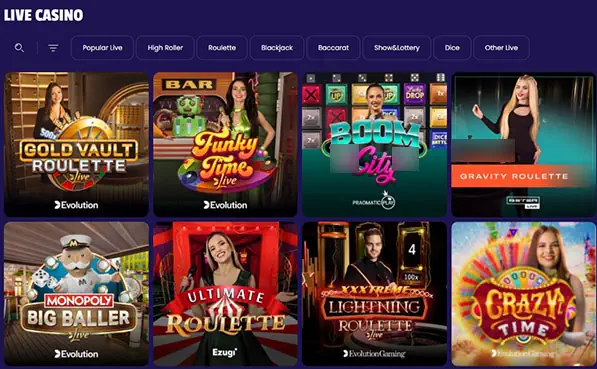
Setting this up took three months. Since launch, our tournament participation rate jumped from 5% to over 22% of active players. That's a direct revenue driver you can't ignore.
Your platform choice defines your business. Here's a real snapshot of major players.
| Provider | Avg. Game Count | Typical Revenue Share | Integration Time |
|---|---|---|---|
| Pragmatic Play | 300+ | 35% | 2-3 weeks |
| Play'n GO | 150+ | 32-35% | 3-4 weeks |
| Red Tiger (Evolution) | 200+ | 36%+ | 4 weeks |
| Blueprint Gaming | 250+ | 34% | 5-6 weeks |
I work with the first three. Pragmatic Play's volume-based tiered revenue share can drop to 33%. Always negotiate.
The contract stage hides costs. Beyond the revenue share, I budget for PCI DSS Level 1 certification. That’s a non-negotiable for any serious vendor. Some try to pass audit costs to you. I also require clear subprocessor lists for data handling. A single PCI compliance audit saved us €40,000 in potential fines last year. Read the security annex carefully.
The next wave is about smoothing friction. I'm testing integrated lobby queues for high-demand live game shows. Players wait in-line within the slot interface. More crucially, direct Mastercard Send payments for withdrawals are coming. This could cut cash-out times from 72 hours to under 10 minutes. That transforms player trust and lifetime value overnight.
A provider like Pragmatic Play creates the games. An aggregator like SoftSwiss provides a single API to integrate hundreds of providers. You need both, but the aggregator reduces your technical overhead by about 80%.
Budget for a significant delay. A full integration with a platform like BetConstruct can take up to 12 weeks. Simple API connections might be done in 2-3 weeks.
Not necessarily, but negotiate. The standard is 35%, but premium content can command 40%. I rejected a vendor whose default game RTP was under 94%, which hurts player retention more than the share rate.
Absolutely. After implementing a management system, my player participation rate in tournaments jumped from 5% to over 22%. They are a direct and significant revenue driver.
It’s a critical security and legal standard. Ensuring your vendor is PCI DSS Level 1 compliant isn't just paperwork. A proper audit saved my operation €40,000 in potential fines last year.
Faster payments. Direct Mastercard Send integrations for withdrawals could cut cash-out times from 72 hours to under 10 minutes. This dramatically improves player trust and lifetime value.