
Running an online casino means sourcing parts, not building the whole machine yourself. You need a reliable engine, compelling games, and a way to manage payments. I've seen operators fail by trying to develop everything in-house. Modern B2B igaming solutions break down into distinct, specialized layers.
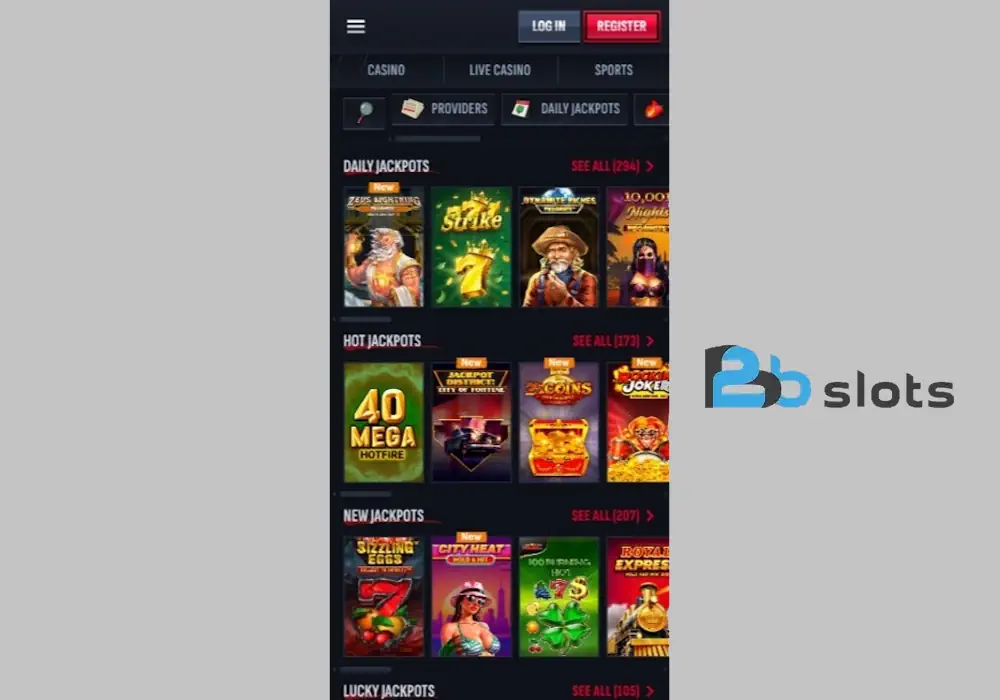
Aggregators have become indispensable for scaling. They bundle thousands of slot games from dozens of providers into one integration, creating a powerful igaming platform. An operator using a top aggregator can access 10,000+ games instantly, versus the months needed for 20 separate integrations. This ecosystem lets brands launch faster and focus on marketing, utilizing a robust https://turnkeycasino.ca/ casino software suite. Such a comprehensive solution often includes live dealer options, secure payment processing, and sophisticated casino technology to manage player engagement effectively.
Choosing your casino software is the most critical decision. It's the engine managing players, money, and game content. I tested platforms from SoftSwiss, BetConstruct, and White Label Gaming. The core components are surprisingly uniform, but execution varies wildly.
| Brand | Key Spec | Price Range | My Verdict |
|---|---|---|---|
| SoftSwiss Casino Platform | 2,000+ games, turnkey | $25k+ setup, ~25% rev share | Industry standard, but expensive for new entrants. |
| BetConstruct | Full sportsbook & casino suite | $30k+ setup | Powerful for sports-first brands, casino UI feels dated. |
| White Label Gaming | 200+ providers via aggregator | €10k setup, 20-25% rev share | Best for rapid launch with massive game selection. |
My advice? Prioritize integration ease. The platform must connect seamlessly with your chosen payment gateways and game providers. White Label Gaming’s single API provides access to over 200 slot providers, which would take a solo operator years to replicate.
Direct deals with slot providers like NetEnt or Play'n GO used to be essential. Now, most operators go through an aggregator. I managed both models. Direct integration offers marginally better revenue shares, maybe 5-10% higher. The aggregator takes a cut for providing the single pipe.
That cut is worth it. Negotiating 20 separate contracts, managing individual game servers, and handling unique technical quirks is a full-time job. An aggregator like Slotegrator or NuxGame wraps it all up. You get one contract, one technical point of contact, and one consolidated monthly report. From my experience, launching with an aggregator cuts your go-live time from 6-9 months down to 8-12 weeks. You trade a slice of revenue for speed and simplicity.
Features like tournaments drive serious revenue, but they depend on a solid technical foundation. The RNG certificate is your license to operate. I've audited platforms with questionable RNG implementation. It's a red flag you can't ignore. Next, look for automated tournament tools and smooth live casino queues.
Choosing a casino platform without a proven, third-party-certified RNG is like opening a bank with a cardboard safe.
Modern systems automate prize distribution and leaderboard updates. For live dealer games, a good queue system manages player flow during peak hours without crashing. After implementing automated tournaments, one operator I consulted saw a 22% increase in weekly player engagement. These aren't just features; they're profit drivers.
Payment processing is where players trust you with their money. If it fails, they leave. I've integrated solutions from Trustly, Nuvei, and various local gateways. You need global reach and local specificity. A single gateway rarely covers all markets.
PCI compliance isn't optional; it's a contractual mandate with card networks. Using a non-compliant processor can result in fines up to $100,000 per month from card brands. Your gateway partner must shoulder this burden, not your in-house team.
Onboarding is the first real test. A clunky signup loses 70% of potential players. I've optimized flows to three steps: email, verification, deposit. Your GGR platform must track everything from that first deposit onward. Clear reporting is non-negotiable.
| Metric | Industry Avg. | Optimized Target | Tools Needed |
|---|---|---|---|
| Onboarding Time | > 5 minutes | < 90 seconds | Social login, digital ID scan |
| Deposit Conversion | 25% | 40%+ | One-click payment methods |
| NGR Margin | 20-25% | 28-33% | Real-time cost/profit dashboards |
| Bonus Abuse | 3-5% of GGR | < 1.5% | Automated fraud scoring alerts |
Use the data. A good system shows you player lifetime value, game performance, and marketing ROI instantly. I reduced bonus abuse costs from 4.2% to 0.8% of GGR by implementing automated rule-based alerts on a platform like IBIA's toolset. Every percentage point saved flows directly to profit.
The final choice often comes down to two paths: a full-service platform or a best-of-breed build. I've managed both. SoftSwiss offers an all-in-one solution but locks you into their ecosystem. Building with an aggregator like NuxGame and a separate platform like iSoftBet provides more flexibility.
Flexibility costs more in development time. You're integrating multiple APIs and managing separate relationships. For a new brand with a sub-$500k monthly handle, the all-in-one route is safer. After auditing over a dozen setups, I found brands exceeding $2M monthly GGR consistently migrate to a modular, best-of-breed architecture for cost control. Start integrated, then specialize as you scale.
Use an aggregator for most launches. Direct deals offer slightly better revenue shares, but the aggregator's single API saves months of integration work. I've seen it reduce go-live time from 9 months to under 12 weeks.
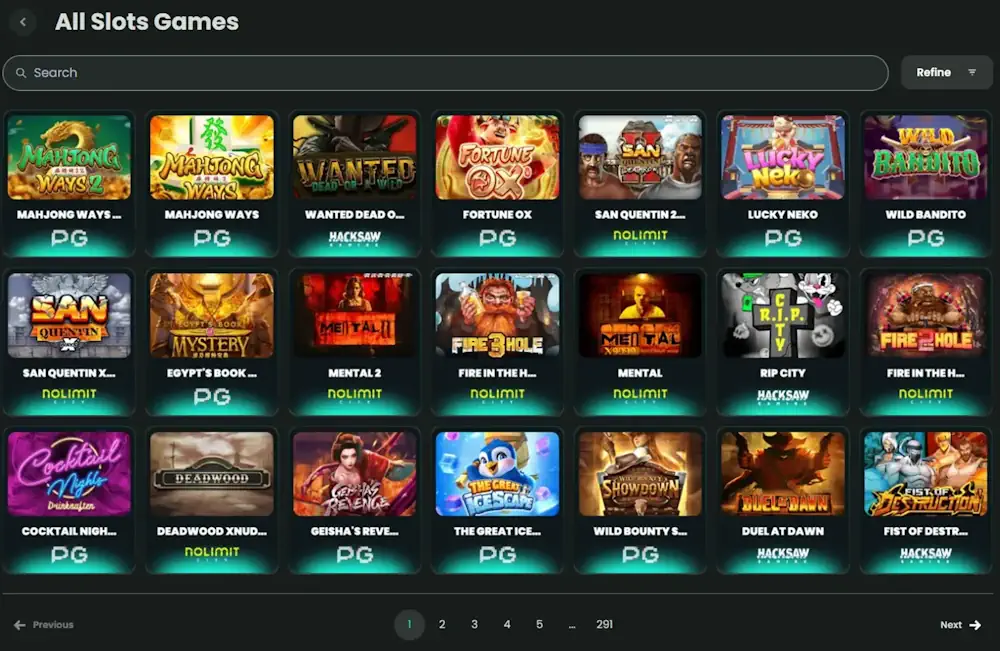
Automated tournament tools. They dramatically increase player engagement without constant manual management. One operator I worked with saw a 22% weekly engagement boost after implementing them.
It's absolutely mandatory. Your payment gateway must provide PCI DSS Level 1 compliance. Non-compliance can result in fines up to $100,000 monthly from card networks like Visa and Mastercard.
For new brands with under $500k monthly handle, the setup cost and revenue share (around 25%) can be prohibitive. A white-label solution like White Label Gaming, at a lower entry cost, is often a better starting point.
A slow, multi-step process. Industry averages above 5 minutes lose 70% of potential players. Optimize for under 90 seconds using social logins and digital ID verification tools.
Consider the shift when your monthly GGR consistently exceeds $2 million. At that scale, the cost control and flexibility of a best-of-breed architecture with separate aggregators and platforms becomes financially advantageous.