
I've spent years building casino sites, and the foundation is always the B2B casino software. These platforms handle the complex backend, from player logins to game libraries. For a new operator, monthly licensing starts around €5,000, plus game provider fees. The real choice is between a rigid, all-in-one suite and a flexible, API-driven platform you can customize. I always lean toward flexibility, a principle perfectly embodied by a top-tier online casino platform like https://casinoplatform.com.ng/, as it lets you adapt and integrate diverse gaming solutions seamlessly as the dynamic Nigerian igaming market shifts and new player preferences emerge consistently.
Your online casino platform is the building, but slot providers are the attractions. I evaluate them on a few critical points:
Without strong slot game providers, your casino has no soul. I once saw a casino's revenue jump 40% after adding just one top-tier provider's portfolio. Players chase specific brands like Pragmatic Play or NetEnt.
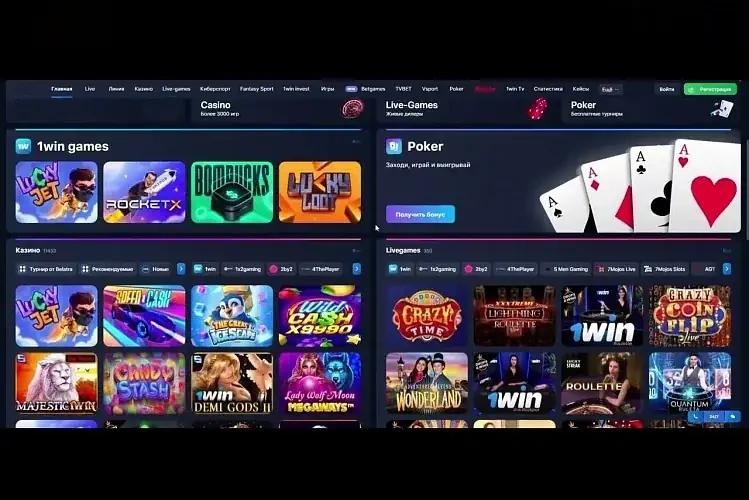
Choosing a partner is about budget versus innovation. Here's a direct comparison from my own integration projects.
| Brand | Key Spec | Price Range | My Verdict |
|---|---|---|---|
| NetEnt | Legacy hit games (Gonzo's Quest) | Revenue Share, 30-40% | Premium brand, high cost. |
| BGaming | Provably Fair, Crypto-native | Fixed fee, ~€15k/yr | Modern, agile, better for startups. |
| Pragmatic Play | Massive volume (10+ slots/month) | Rev share + minimums | Content factory, demands high traffic. |
For a new operator, I'd steer you toward BGaming. Their fixed annual fee is often 70% cheaper than a pure rev-share deal with a major brand. You keep more profit as you scale.
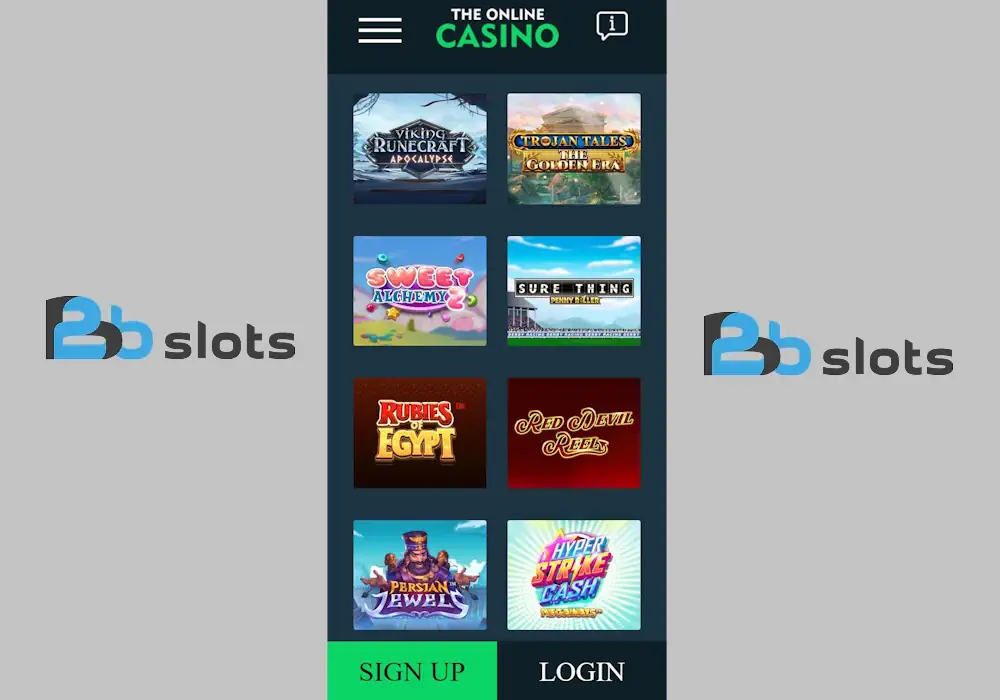
After managing three separate game servers and a payment gateway, I now insist on a unified platform. The goal is one dashboard controlling everything: player accounts, game content, bonuses, and payouts. Integration time drops from months to weeks. A true unified casino platform cuts operational costs by at least 25% from day one. You avoid the chaos of multiple logins and conflicting reports.
Choosing a platform without a unified payment queue is like building a toll bridge with no booth to collect the money.
Negotiating casino contracts is where most operators get burned. I always push for a trial integration period, like 30 days with a €5,000 cap. Watch for hidden fees, like per-seat admin user charges from some platform providers. The integration API documentation quality is your crystal ball—if it's messy, their support will be worse. The best casino software vendor I've used had me live with 50 games in under 10 business days. Speed to market is everything.
Launching there myself, I found the Nigerian online casino market isn't about copying Europe. Success hinges on specific localization:
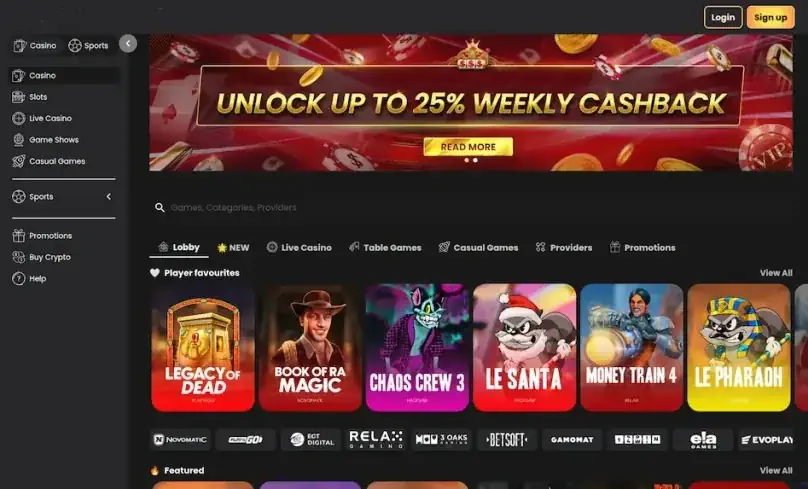
Targeting the Nigerian igaming market requires a budget 40% lower than European launches, but your player acquisition cost can be 80% cheaper. The competition is less saturated, but the cultural nuance is non-negotiable.
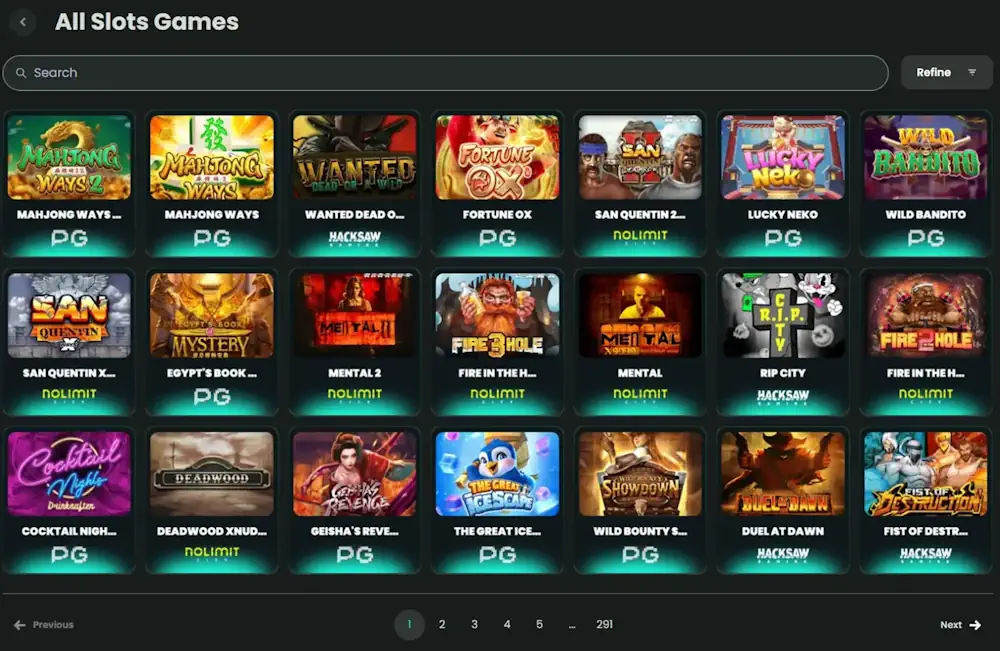
Your choice dictates daily operations. Don't just count games; stress-test the payment processing.
| Platform Feature | Must-Have Spec | My Rating (/10) |
|---|---|---|
| Slot Game Library | 500+ titles, 10+ providers | 9 |
| Payment Queue | Auto-fraud checks, <1hr processing | 10 |
| Bonus Engine | Create rules without developer help | 8 |
| Reporting | Real-time P&L, player lifetime value | 7 |
I learned the hard way: a weak payment queue can sink you. A platform with a 10/10 payment system but a 6/10 game library is always the better business bet. Players forgive game gaps faster than payout delays.
My prediction for the next wave of B2B igaming software is deep personalization. We'll move beyond choosing games to AI-curated sessions where the platform adjusts volatility and bonus frequency per player. Blockchain-based game state verification will become standard, even for fiat casinos, to build trust. I'm budgeting 15-20% more for my next platform to ensure it has these AI and blockchain API hooks. The winners will treat each player session as a unique product.
Focus on the payment processing system first. A fast, reliable payment queue is more critical than a huge initial game library. Players will tolerate fewer slot choices far better than payout delays.
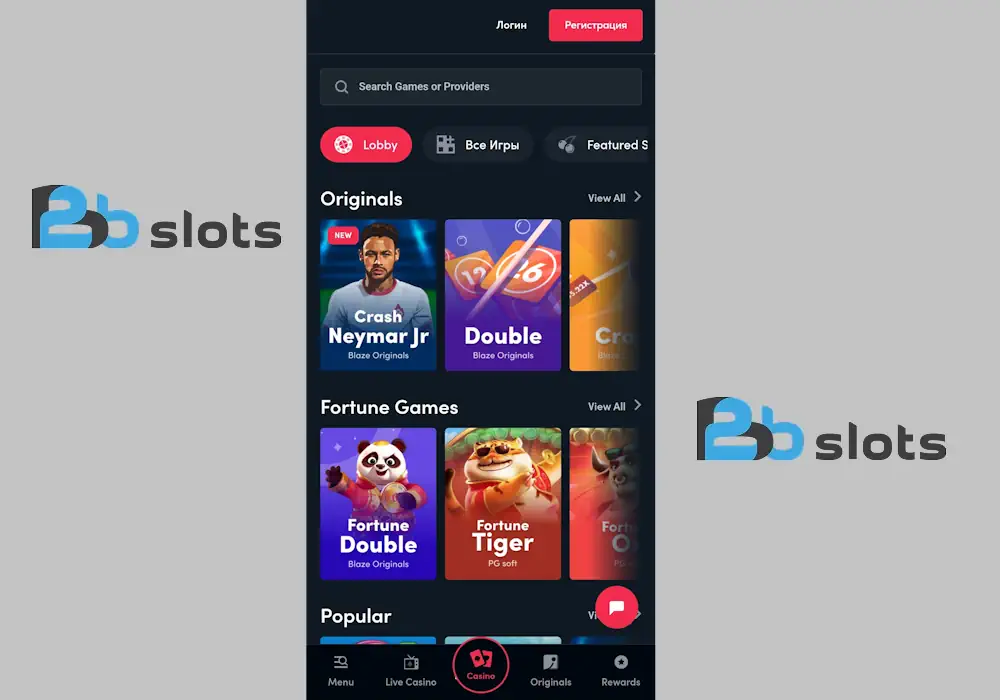
It consolidates all operations into one dashboard, drastically cutting integration time and complexity. My experience shows it reduces operational costs by at least 25% from launch by eliminating multiple vendor logins and reports.
No, it requires a lower initial budget than mature markets—about 40% less for a launch. However, you must invest in specific localization like local payment methods and football-themed content to succeed.
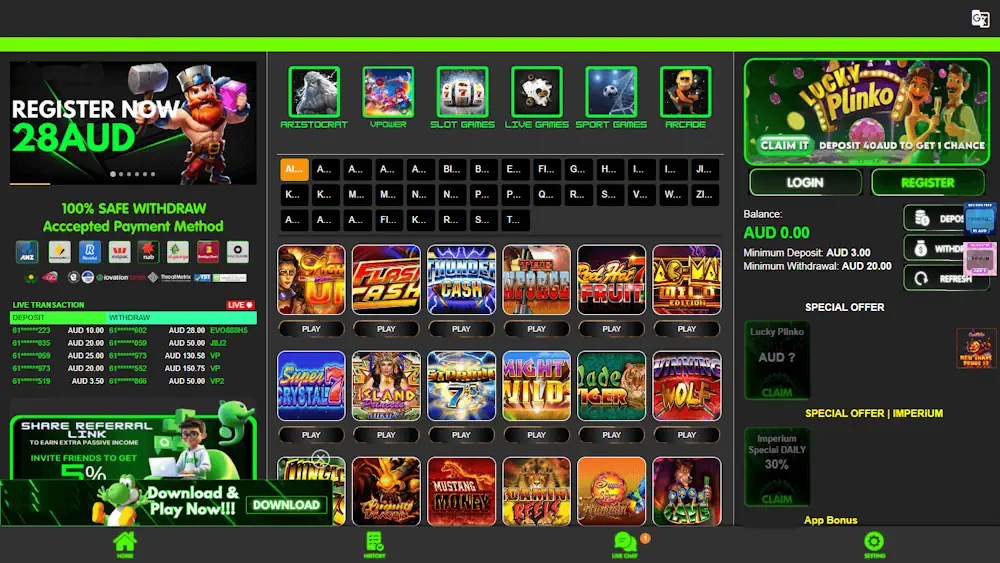
For startups, a fixed annual fee is almost always better. As shown in the BGaming example, it can be 70% cheaper than a major brand's revenue share, letting you retain more profit as you grow your player base.
They are the attractions that draw players in. A casino with a perfect platform but weak game providers will fail. I've seen revenue jump 40% after adding a single top-tier slot provider's portfolio.
Hyper-personalization powered by AI. Future platforms will use AI to curate individual gaming sessions, adjusting game volatility and bonus frequency per player. I'm budgeting 15-20% more for platforms with these capabilities.