
Limited research exists on this topic, primarily relying on anecdotal data. Treatment of cancerous tumors may be an exception to these dosage recommendations, necessitating higher THC levels. Existing studies indicate that increasing dosages are unlikely to enhance symptom relief, while the risk of experiencing adverse side effects is significantly elevated.
Some studies indicate it can relieve chronic pain and other health problems. Studies in these groups show THC products can improve short-term sleep problems, reduce sleep disturbances, and decrease the time it takes to fall asleep. While clinical trials support the use of cannabis for chronic pain, researchers agree more studies are needed to determine what thc cartridge doses, forms, and combinations of cannabinoids are most therapeutic for chronic pain patients. A large 2015 systematic review evaluated cannabis studies in patients with chronic pain and found THC increased the odds for pain improvement by around 40%. THC will build up in your system over time, so how frequently you use THC determines how long it remains in your body.
Your lungs can become irritated and inflamed by marijuana smoke. Once diagnosed with schizophrenia, discontinuing marijuana use will not alleviate the disorder or its symptoms. In contrast to psychosis, schizophrenia is a chronic condition. High THC levels in marijuana can induce psychosis, resulting in paranoia or confusion about reality. However, taking large quantities can amplify its effects on your system.
Reports suggest that about one-third of Americans confuse weed with hemp, although they are distinct substances.

If you are a highly experienced user and find these dosages insufficient, you may consider increasing up to 10mg of THC. For those less sensitive to THC or seasoned users, a dosage around 5mg should be appropriate. A review article co-authored by Dr. Ethan Russo, MD, suggests that a starting dose of roughly 2.5mg of THC is suitable for novice cannabis users. In certain nations, marijuana is completely legal and available, while in others, possessing even small amounts can lead to imprisonment.
Various names arise from distinct strains of the drug or the methods of production. This includes cannabis products for medical use, except when prescribed for you. It is advisable to keep a copy of your prescription and a letter from the prescribing doctor, if available. If the previous criteria do not pertain to you, refrain from requesting a referral for medical cannabis from a general practitioner. Furthermore, prescriptions are likely to be limited to a small group of patients.
Vallée A. Heavy Lifetime Cannabis Use and Mortality by Sex. Other plant-based cannabinoid products, not tested for quality and safety by the TGA, are available through the Special Access Scheme (SAS) under different brand names.42 Symptoms – including how strong they are and how long they last – will vary depending on the type of drug and a person’s history of use.34 Withdrawal refers to the symptoms that can occur when someone who is dependent on THC, or has used it regularly over time, stops or reduces use.34 They may feel they need to use cannabis to go about their normal activities, like working, studying and socialising, or just to get through the day.33 People who regularly use THC may develop a tolerance, which means you need to take larger amounts to get the same effect.23
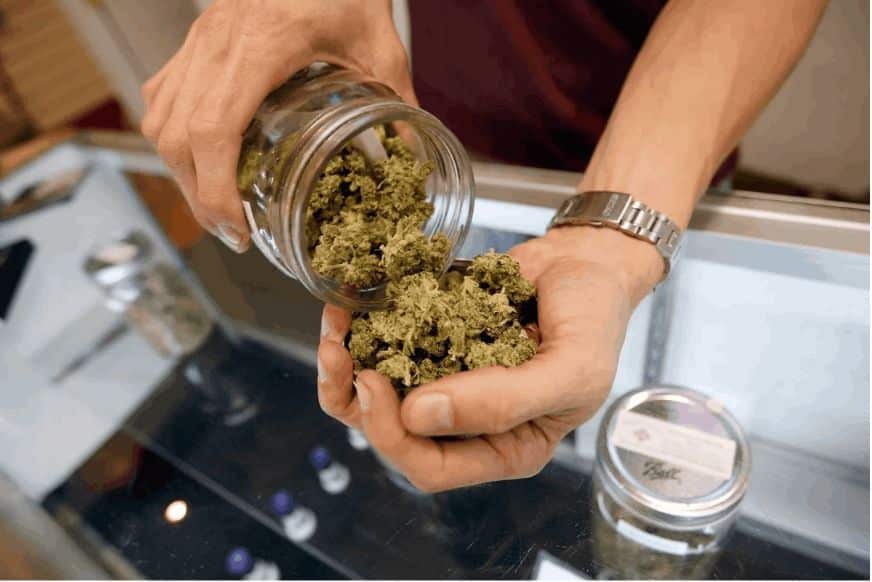
Many scientists believe that whole plants might offer more effective treatments compared to medications that contain only selective active compounds extracted from plants. Although quantifying the risks of smoking cannabis has proven challenging, it is believed that tobacco smoke’s nicotine significantly increases lung harm compared to cannabis smoke. However, this might be attributable to smoking itself rather than THC.
In contemporary times, innovative uses and enhancements have been investigated with some degree of commercial success. Hemp is more durable and has a longer lifespan than cotton. Fibers are derived from Cannabis sativa cultivars, which are characterized by their lengthy stems; Sativa varieties can reach heights exceeding six meters. Concerns include issues related to memory, cognition, addiction potential, schizophrenia in adolescents, and the unintentional ingestion by children. Preliminary research is being conducted on cannabinoids for their possible impact on strokes.
THC produces a diverse array of short-term effects, which may vary based on the individual. Our bodies have evolved to engage with natural cannabinoids like anandamide; however, the same system is responsible for the effects experienced from THC and other cannabinoids. Before contemplating a mutually beneficial relationship between cannabis and humans, it is essential to understand “endogenous cannabinoids” like anandamide and 2AG – the body’s naturally produced cannabinoids. This system, named the endocannabinoid system (ECS), consists of specialized signaling chemicals (analogous to “keys”), their receptors (akin to “locks”), and the metabolic enzymes that generate and decompose them. Cannabinoids are chemical substances in the cannabis plant that interact with brain and body receptors, leading to various effects.